

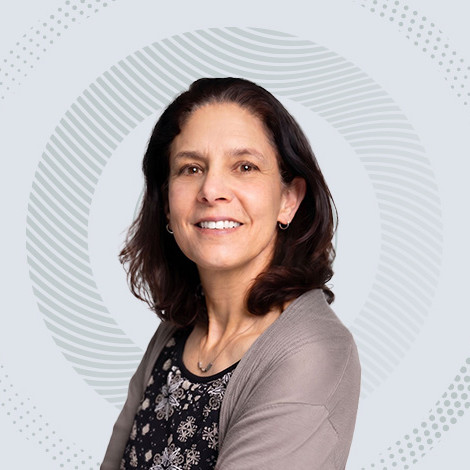
פרופ' איילת עדן-ארבל
התרחשות מוטציות במיוזה, הוראה בתחומי הביו-רפואה, חינוך רפואי
קורות חיים
פרופ' איילת ארבל-עדן היא חוקרת ומרצה בתחומי הגנטיקה, הביולוגיה המולקולרית ותיקון נזקי DNA. את הכשרתה האקדמית והמחקרית השלימה באוניברסיטה העברית בירושלים, במחלקה לגנטיקה.
פרופ' ארבל-עדן יצאה להשתלמות פוסט-דוקטורט באוניברסיטת Brandeis בבוסטון, ארצות הברית, שם חקרה את האופן שבו תאים מפעילים מנגנוני checkpoint ובפרט נקודות בקרה בשלב G2-M בעקבות נזקי DNA מסוג שברים דו-גדיליים.
עם שובה לישראל השתלבה בסגל ההוראה של החוג למדעי המעבדה הרפואית במרכז האקדמי הרב-תחומי ירושלים, ובמקביל הוזמנה להיות חוקרת-אורחת במחלקה לגנטיקה באוניברסיטה העברית. מחקרה מתמקד במנגנונים הגנטיים והמולקולריים העומדים בבסיס העלייה בשיעור המוטציות במהלך אירועי רקומבינציה במיוזה.
פרופ' ארבל-עדן כיהנה כראש החוג למדעי המעבדה הרפואית במרכז האקדמי הרב-תחומי ירושלים, והובילה סגל אקדמי מתחומי הביו-רפואה בתהליכי פיתוח סגל, הוראה מבוססת חקר ועוד. כיום היא עומדת בראש היחידה לחינוך רפואי בפקולטה לרפואה של אוניברסיטת בר-אילן בגליל.
לצד פעילותה האקדמית והמחקרית, פרופ' ארבל-עדן רואה חשיבות רבה בתרומה לקהילה ובמעורבות חברתית. בעבר כיהנה כראש התכנית האקדמית “מעל ומעבר” (2017–2013), תוכנית תלת-שנתית לקידום מצוינות, מנהיגות חברתית ומעורבות קהילתית בקרב סטודנטים.
פרופ' ארבל-עדן פעילה ומובילה מספר פרויקטים חברתיים, בשכונת מגוריה בירושלים, והייתה חלק מן הגרעין המייסד של “בוסתניה” — הגינה הקהילתית הראשונה בירושלים. היא התנדבה והובילה את המיזם החברתי “רוקמים חלום”, שבו עולים ממוצא אתיופי רוקמים רקמות מסורתיות, והקבוצה הופכת אותן למוצרים בני-מכירה. חזון המיזם הוא לשמר אומנות ססגונית זו, המשקפת את תרבותם העשירה של יהודי אתיופיה, וליצור באמצעותה חיבור קהילתי, תרבותי וחברתי. על המייזם "רוקמים חלום" ניתן לקרוא כאן
מחקר
1) Timing of mutation occurrence during meiosis and the Role of the Trans-Lesion DNA Polymerases. (Osama Mansour, Ph.D student)
Meiotic mutations in budding yeast occur at higher frequencies than mutations in vegetatively growing cells and may have long-term evolutionary consequences because they are transmitted through gametes. We study the mechanistic basis of this increased mutagenicity using the CAN1 reporter gene, where mutation rates in meiosis are about 7-fold higher than in mitotic cells. We determine when new meiotic mutations arise and whether they are associated with DNA replication or recombination. Our results show that mutations appear during prophase I, at the time of meiotic double-strand breaks (DSBs) and recombination, rather than during pre-meiotic DNA synthesis. More than 40% of meiotic CAN1 mutations are found on chromosomes that recombined near the reporter, indicating that recombination itself is mutagenic. Because most mutations are introduced when new DNA is synthesized by DNA polymerases, these enzymes are prime candidates for generating meiotic mutations. We therefore test whether low-fidelity trans-lesion DNA polymerases (TLSPs) account for this effect, but they do not appear to be the major source of meiotic mutagenicity.
2) Enhanced mutagenicity in yeast meiosis resulting from DNA repair (Liat Morciano, PhD. Student)
Meiotic de novo mutations (DNMs) arise at higher frequencies than mitotic mutations and are tightly linked to recombination and double-strand break repair. Our previous work showed that meiotic mutagenicity depends on DNA breaks and is associated with recombination, suggesting that DSB repair generates new mutations. We hypothesize that elevated meiotic mutagenicity may also result from unrepaired mismatches left by DNA polymerases during local DNA synthesis in meiotic recombination. We examine the possibility that mismatch repair (MMR) proteins are down-regulated or inefficient during recombination, these mismatches may accumulate and become fixed as mutations during the first round of genome replication in spore germination. Using the CAN1 reporter system, we examine meiotic mutagenicity in strains defective in MMR components, with special emphasis on Msh6 and Msh3.
3) Investigating the Role of Single-Stranded DNA Length in Meiotic De Novo Mutagenesis in Budding Yeast. (Lilia Smusin, MSc. Student)
During meiotic recombination, double-strand break ends are resected to generate single-stranded DNA (ssDNA), which is essential for homology search and repair. However, ssDNA is more vulnerable than double-stranded DNA to mutational damage, raising the possibility that extensive ssDNA formation contributes to elevated meiotic mutagenicity. In a single meiotic cell, approximately 310,000 nucleotides of ssDNA are generated, far exceeding the amount formed spontaneously in mitotically dividing diploid cells. This study asks whether the prolonged exposure of ssDNA generated during meiotic recombination contributes to the increased formation of de novo mutations. We examine meiotic mutagenicity in strains with gene disruptions that alter ssDNA tract length, producing either longer or shorter ssDNA than wild type. By comparing mutation rates and mutation spectra, we aim to determine whether ssDNA exposure is a significant contributor to meiotic mutagenicity.
פרסומים
תאריך עדכון אחרון : 23/06/2026