

Recent Publications
Keren Aviel-Shekler, Yara Hamshawi, Worood Sirhan, Dmitriy Getselter, Kolluru D Srikanth, Assaf Malka, Ron Piran, Evan Elliott: Gestational diabetes induces behavioral and brain gene transcription dysregulation in adult offspring (Transl Psychiatry . )
The etiology of Autism Spectrum Disorders (ASD) includes a strong genetic component and a complicated environmental component. Recent evidence indicates that maternal diabetes, including gestational diabetes, is associated with an increased prevalence of ASD. While previous studies have looked into possible roles for maternal diabetes in neurodevelopment, there are few studies into how gestational diabetes, with no previous diabetic or metabolic phenotype, may affect neurodevelopment. In this study, we have specifically induced gestational diabetes in mice, followed by behavioral and molecular phenotyping of the mice offspring.

Irina Nordkin, Tatyana Levinas, Inna Rosenfeld, Majdi Halabi: Torsades de pointes after prolonged intravenous amiodarone therapy for atrial fibrillation (Clin Case Rep . )
Amiodarone can induce TdP; therefore, it should be avoided as a first choice for therapy in patients without heart disease. Careful QT interval monitoring, especially during intravenous use, can prevent development of this life-threatening arrhythmia.
W Sbeit, A Kadah, A Shahin, N Abed, H Haddad, A Jabbour, H Said Ahmad, R Pellicano, T Khoury, A Mari: Predictors of in-hospital mortality among patients with Clostridium difficile infection: a multicenter study (Minerva Med .)
Clostridium difficile infection (CDI)-associated mortality is a major global health concern. Several clinical and laboratory parameters have been linked to poor prognosis in patients with CDI. In the current study, we aimed to assess the rate of in-hospital mortality among Israeli CDI patients and to look for clinical and laboratory parameters associated to death.

Tzipora Falik-Zaccai: The role of orotic acid measurement in routine newborn screening for urea cycle disorders (J Inherit Metab Dis . )
Urea cycle disorders (UCDs), including OTC deficiency (OTCD), are life-threatening diseases with a broad clinical spectrum. Early diagnosis and initiation of treatment based on a newborn screening (NBS) test for OTCD with high specificity and sensitivity may contribute to reduction of the significant complications and high mortality. The efficacy of incorporating orotic acid determination into routine NBS was evaluated.
Anuj Ahuja, Guy Journo, Ron Eitan, Meir Shamay: High levels of LINE-1 transposable elements expressed in Kaposi's sarcoma-associated herpesvirus-related primary effusion lymphoma (Oncogene .)
Kaposi's sarcoma-associated herpesvirus (KSHV, HHV-8) is a gamma herpesvirus associated with several human malignancies. Transposable elements (TEs) are ubiquitous in eukaryotic genomes, occupying about 45% of the human genome. TEs have been linked with a variety of disorders and malignancies, though the precise nature of their contribution to many of them has yet to be elucidated. ...This observation is relevant for the treatment of KSHV-associated malignancies since they often develop in AIDS patients that are treated with RT inhibitors with potent inhibition for both HIV and L1 RT activity.
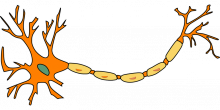
Moshe Dessau: The structural basis for SARM1 inhibition and activation under energetic stress (Elife . )
SARM1 an executor of axonal degeneration, displays NADase activity that depletes the key cellular metabolite, NAD+, in response to nerve injury. The basis of SARM1 inhibition, and its activation under stress conditions are still unknown. Here, we present cryo-EM maps of SARM1 at 2.9 and 2.7 Å resolution.
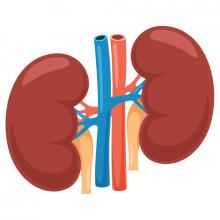
Karl Skorecki: Childhood Cancer and the Risk of ESKD (J Am Soc Nephrol . )
Increasing cancer incidence among children alongside improved treatments has resulted in a growing number of pediatric cancer survivors. Despite childhood cancer survivors' exposure to various factors that compromise kidney function, few studies have investigated the association between childhood cancer and future kidney disease.

Esther Orlanski-Meyer, Dotan Yogev, Adi Auerbach, Orli Megged, Daniel Glikman, Philip J Hashkes, Maskit Bar-Meir: Multisystem inflammatory syndrome in children associated with SARS-CoV-2 in an 8-week old infant (J Pediatric Infect Dis Soc . )
We describe an 8-week-old infant with severe gastrointestinal symptoms, significant hypoalbuminemia, and mild carditis following asymptomatic infection with SARS-CoV-2. The infant's symptoms, including their temporal appearance, were consistent with multisystem inflammatory syndrome in children (MIS-C). A unique finding on colonic histology which may shed light on the pathogenesis of MIS-C was identified. The patient improved significantly following several anti-inflammatory treatments. The lag between the presentation of MIS-C and initial SARS-CoV-2 exposure, which may often be asymptomatic, together with the young age of our patient, make this a challenging diagnosis. Clinicians should be aware of this entity, even in the neonatal and infantile age groups, to facilitate timely identification and treatment.
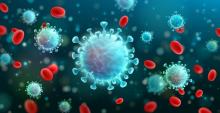
D Tworowski, A Gorohovski, S Mukherjee, G Carmi, E Levy, R Detroja, S Biswas Mukherjee, M Frenkel-Morgenstern: COVID19 Drug Repository: text-mining the literature in search of putative COVID19 therapeutics (Nucleic Acids Res .)
The recent outbreak of COVID-19 has generated an enormous amount of Big Data. To date, the COVID-19 Open Research Dataset (CORD-19), lists ∼130,000 articles from the WHO COVID-19 database, PubMed Central, medRxiv, and bioRxiv, as collected by Semantic Scholar....our COVID19 Drug Repository represents a modular platform for drug data navigation and analysis, with an emphasis on COVID-19-related information currently being reported.

Or Ben-Haim, Maya Azrad, Nora Saleh, Linda Tkhawkho, Avi Peretz: Evaluation of the NG-Test CARBA 5 Kit for Rapid Detection of Carbapenemase Resistant Enterobacteriaceae (Lab Med .)
We evaluated NG-Test CARBA 5, a new phenotypic carbapenemase detection assay, and compared it to the routine Xpert CARBA-R polymerase chain reaction assay. Furthermore, we tested the kit's performance after bacterial growth on 4 different solid media.
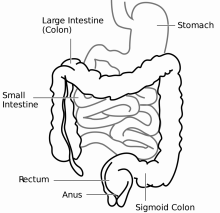
Mor Zigdon, Shai Bel: Lysozyme: A Double-Edged Sword in the Intestine (Trends Immunol . )
Lysozyme-secreting Paneth cells are abnormally present in the distal colons of patients with inflammatory bowel disease (IBD), along with high amounts of lysozyme in feces. In a recent article in Immunity, Yu et al. show that lysozyme-mediated processing of luminal bacteria in the colon triggers a proinflammatory response and predisposes mice to experimental IBD.
[graphic source: Wikipedia]
Avi Peretz: Full genome viral sequences inform patterns of SARS-CoV-2 spread into and within Israel (Nat Commun . )
Full genome sequences are increasingly used to track the geographic spread and transmission dynamics of viral pathogens. Here, with a focus on Israel, we sequence 212 SARS-CoV-2 sequences and use them to perform a comprehensive analysis to trace the origins and spread of the virus.
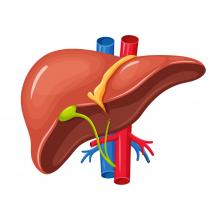
Amir Mari: Cutaneous involvement of hepatitis C virus. Which future after new antiviral drugs? (G Ital Dermatol Venereol .)
Hepatitis C virus (HCV) infection is one of the main causes of chronic liver disease with approximately 71 million chronically infected individuals worldwide.1 The last decade marked the development of multiple direct-acting antivirals (DAAs), which are medications targeted at specific steps within the HCV life cycle resulting in disruption of viral replication and infection. Compared to interferon-based treatments, the emergence of these drugs revolutionized the management and care of HCV infected patients in several aspects....

Tali Elkanovich, Majd Hajouj, Ohad Ronen: The natural neck crease as an anatomic landmark for thyroid surgery incision (Surgeon .)
The anatomical relations between the neck skin crease and the thyroid gland isthmus and cricoid cartilage are important for surgical planning.
Between 2016 and 2018 anatomical measurements were performed on 118 participants during a presurgical ultrasound exam and were verified during surgery. The data were stratified according to age, sex, patient's body mass index (BMI), and height.